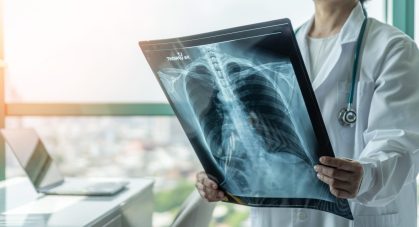





Each November, organisations, healthcare professionals and communities unite to recognise Lung Cancer Awareness Month – an important opportunity to highlight the experiences of those affected and encourage earlier diagnosis. This year’s focus is on the importance of recognising symptoms promptly, understanding what can put someone at risk, and supporting access to screening where appropriate.
What is Lung Cancer?
Lung cancer continues to be one of the most frequently diagnosed cancers in the UK. More than 43,000 people receive a diagnosis every year. There are two main forms:
- Non-small-cell lung cancer (NSCLC) – accounts for the majority of cases and often develops more slowly.
- Small-cell lung cancer (SCLC) – far less common but typically progresses at a faster rate.
Early diagnosis remains key in improving outcomes.
Spotting the Signs
Lung cancer can develop without noticeable symptoms at first, which is why paying attention to changes in your health matters. Symptoms may include:
- A persistent cough lasting 3 weeks or more
- A long-term cough that changes or becomes worse
- Frequent or recurring chest infections
- Shortness of breath or unexplained wheezing
- Coughing up blood
- Unexplained weight loss
- Constant fatigue
- Ongoing chest or shoulder pain
- A hoarse voice for 3 weeks or longer
Anyone experiencing these symptoms should contact their GP as soon as possible, especially if there may have been past asbestos exposure.
Why Early Detection Matters
The sooner lung cancer is found, the greater the chance of successful treatment. Early diagnosis leads to:
- Improved survival rates
- More treatment options
- Better ability to manage symptoms
- Enhanced quality of life for patients
Screening programmes are gradually expanding to reach those most at risk.
Risk Factors You Should Know About
While lung cancer can affect anyone, certain behaviours and environments increase risk:
- Smoking or previous smoking history
- Asbestos exposure
- High levels of radon gas
- Long-term air pollution exposure
- Family history of lung cancer
- Age and general lung health
Being aware of these risks can empower people to monitor their health more proactively.
Asbestos and Lung Cancer
Asbestos is a major occupational cause of lung cancer, linked to around 20% of cases in the UK (HSE). Tiny fibres can become lodged in the lungs when inhaled, leading to scarring and long-term damage.
Those most commonly affected include:
- Laggers and insulation workers
- Construction and demolition teams
- Shipyard and factory workers
Asbestos exposure also puts individuals at risk of mesothelioma, a rare and aggressive cancer affecting the lining of the lungs.
If someone has a history of asbestos exposure – particularly combined with past smoking – regular screening and check-ups are strongly advised. The NHS offers lung health checks for eligible individuals aged 55+ who currently smoke or have previously smoked.
Seeking Compensation for Asbestos-Related Lung Cancer
A diagnosis linked to workplace asbestos exposure can feel overwhelming, but support is available. Compensation may be pursued if a former employer failed to protect workers from asbestos risks.
A successful claim typically involves:
- Identifying where exposure occurred
- Providing information about past roles and working conditions
- Medical evidence confirming the link with asbestos
Importantly, a history of smoking does not prevent a claim.
How We Can Help
Our specialist team is here to guide you through the claims process with care, understanding and decades of expertise in asbestos-related illnesses.
If you think you might have a claim for asbestos compensation, contact us today to speak to one of our specialist solicitors. You can call us on 01244 312306, email us at law@oliverandco.co.uk or complete the form on our Contact Us page and we’ll get back to you as soon as we can.