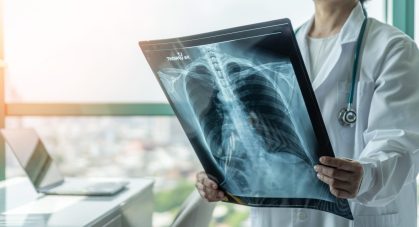





Asbestos-related lung cancer develops after a person inhales asbestos fibres, usually during the course of their work. For many years asbestos was widely used in construction and industrial materials because of its durability and resistance to heat.
When asbestos-containing materials are damaged or disturbed, tiny fibres can be released into the air. These fibres are easily inhaled and can become trapped within the lungs. Over time they can cause irritation, inflammation, and cellular damage that may eventually lead to the development of lung cancer.
One of the most challenging aspects of asbestos-related disease is its long latency period. Symptoms may not appear until 20 to 40 years after exposure, meaning many people are diagnosed decades after they first encountered asbestos.
Diagnosing Asbestos-Related Lung Cancer
Doctors typically use a combination of tests and medical history to diagnose asbestos-related lung cancer. Identifying previous asbestos exposure is an important part of the diagnostic process.
Investigations may include:
- Chest X-rays or CT scans to examine the lungs
- Biopsy procedures to confirm the presence of cancer cells
- A detailed review of the patient’s occupational and environmental exposure history
Once a diagnosis has been confirmed, specialists will determine the most appropriate treatment plan based on the stage of the cancer and the patient’s overall health.
Standard Treatments for Lung Cancer
Traditional treatment options for lung cancer may involve one or more of the following approaches:
- Surgical removal of tumours where appropriate
- Chemotherapy, which uses medication to destroy cancer cells
- Radiotherapy, which uses targeted radiation to shrink or eliminate tumours
- Immunotherapy, an increasingly important treatment option in modern cancer care
Treatment plans are usually tailored to the individual patient and may involve a combination of therapies.
The Role of Immunotherapy in Lung Cancer Treatment
Immunotherapy has become an important development in the treatment of certain types of lung cancer. Unlike chemotherapy, which directly attacks cancer cells, immunotherapy works by helping the body’s immune system recognise and fight cancer.
These drugs can stimulate the immune system so that it can identify tumour cells and respond more effectively.
For some patients, immunotherapy has improved survival outcomes and may slow the progression of the disease. As a result, it is now widely used as part of treatment for eligible lung cancer patients in the UK.
Accessing Immunotherapy Through the NHS or Private Healthcare
Immunotherapy is available on the NHS for some lung cancer patients, but eligibility is determined by clinical guidelines and national recommendations. The specific drug prescribed will depend on factors such as the type and stage of cancer and the patient’s overall health.
In certain circumstances, if a treatment is not routinely funded, doctors may apply for an Individual Funding Request (IFR) in an attempt to obtain NHS approval for a particular drug. However, these applications are not always successful.
Some patients therefore choose to explore private healthcare options to access treatments that are not yet widely available within NHS pathways. Private cancer treatment can sometimes provide earlier access to newer immunotherapy drugs or treatment combinations.
However, private treatment can be extremely expensive. In some cases, the cost of immunotherapy may reach hundreds of thousands of pounds, depending on the medication used and the length of treatment required.
Funding Advanced Treatment Through a Compensation Claim
For individuals who have developed lung cancer following exposure to asbestos, it may be possible to pursue a compensation claim against those responsible for the exposure.
Compensation can often include funding for private medical treatment where it is recommended by the patient’s treating specialists. In some cases this has enabled claimants to access advanced treatments, including immunotherapy, that may improve both life expectancy and quality of life.
At Oliver & Co Solicitors, we have successfully recovered compensation for many clients diagnosed with asbestos-related diseases, including mesothelioma and asbestos-related lung cancer.
Speak to Our Asbestos Disease Specialists
If you have been diagnosed with lung cancer following exposure to asbestos, you may be entitled to claim compensation.
Our experienced asbestos disease team can assess your situation and explain your options. All claims are handled on a No Win, No Fee basis, meaning there is no financial risk in seeking legal advice.
To speak with our team, call 01244 312306 or contact us for a free, no-obligation consultation.