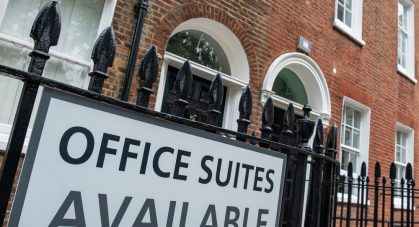





Finding the right premises is one of the biggest decisions a growing business will make, and one of the first questions to answer is whether to buy or lease. Both routes have their advantages, and the right choice depends on your finances, how settled your plans are, and how much flexibility you need. Understanding the legal and practical differences before you commit can save considerable time, cost and stress later on.
The case for leasing
Leasing is the more common choice for many businesses, particularly those that are growing, testing a new location, or want to preserve capital for other purposes.
- Lower upfront cost than a purchase, since there’s no deposit or mortgage to arrange
- More flexibility to relocate or expand as your business changes
- The landlord is often responsible for major structural repairs, depending on the lease terms
- Break clauses can allow you to exit early if circumstances change
The trade-off is that you don’t build up any equity in the property, and your occupation depends on negotiating renewals, which is not always guaranteed if the lease falls outside the protection of the Landlord and Tenant Act 1954.
The case for buying
Buying gives a business more long-term control and can make sense once your plans are settled.
- You build equity in an asset rather than paying rent indefinitely
- You have full control over alterations, subject to planning permission
- No risk of a landlord refusing to renew, or increasing rent significantly at review
- The potential to let out part of the building, or the whole property, in future
The downside is the upfront cost. As well as the purchase price, you’ll need to budget for a deposit, mortgage arrangement fees, Stamp Duty Land Tax, survey costs and ongoing responsibility for repairs and insurance.
Questions worth asking before you decide
- How settled are your plans for the next five to ten years?
- Would you struggle to raise the capital needed to buy, or to secure commercial mortgage finance?
- Do you need the flexibility to scale up or down quickly?
- Would owning the property tie up money that would be better invested in the business itself?
Getting the legal side right
Whichever route you choose, the legal process needs careful attention. A commercial lease will set out obligations around repairs, rent reviews, alienation (subletting or assigning the lease) and permitted use of the premises, all of which affect your business for years to come. A purchase brings its own checks, including searches, title investigation and, where the property is let to other tenants, a review of the existing leases you would be taking on. Getting advice before you sign heads of terms, rather than after, gives you the best chance of negotiating favourable terms.
Frequently Asked Questions About Buying and Leasing Commercial Premises
Is it cheaper to lease or buy commercial premises?
Leasing is almost always cheaper in the short term, since you avoid a deposit, mortgage costs and Stamp Duty Land Tax. Buying can work out more cost-effective over the long term, but only if your business is settled enough to commit to one location for several years.
What is a break clause and why does it matter?
A break clause allows either the landlord or the tenant, or both, to end the lease early, at a set point, without waiting for it to run its full term. It gives tenants a way to exit if their circumstances change, so it’s worth negotiating one into any lease you sign.
Can I make alterations to a leased property?
This depends on the lease terms. Most commercial leases require the landlord’s consent for alterations, and some restrict them altogether. This is different to owning a property outright, where, subject to planning permission, you have much greater freedom.
Do I need a solicitor to negotiate a commercial lease?
It’s strongly recommended. Commercial leases are detailed legal documents, and getting advice before you sign heads of terms, not after, gives you the best chance of negotiating terms that suit your business.
How Oliver & Co Solicitors Can Help
Whether you’re taking on your first commercial lease or buying a property for your business, our Commercial Property team can guide you through the process and help you avoid costly mistakes. Contact us today on 01244 312306, email law@oliverandco.co.uk or complete our Contact Form and we’ll be happy to help.